

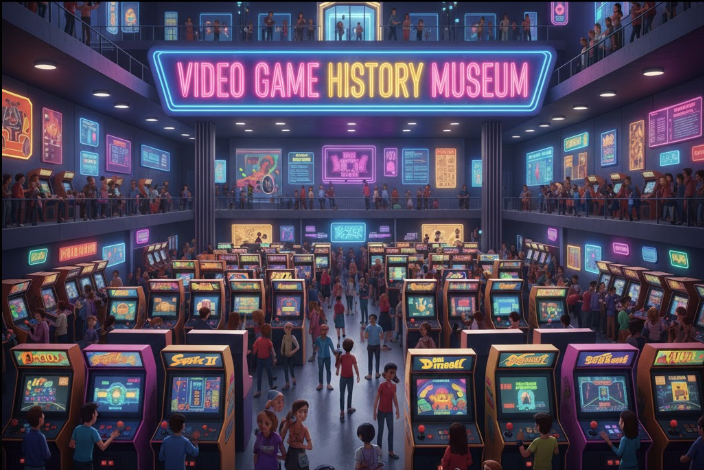

Video games have evolved from niche laboratory experiments into a dominant global cultural force. While the medium has been around for nearly 75 years, its journey from simple blinking lights to the immersive metaverses of today is marked by massive leaps in technology and several “breakout years” that changed entertainment forever.
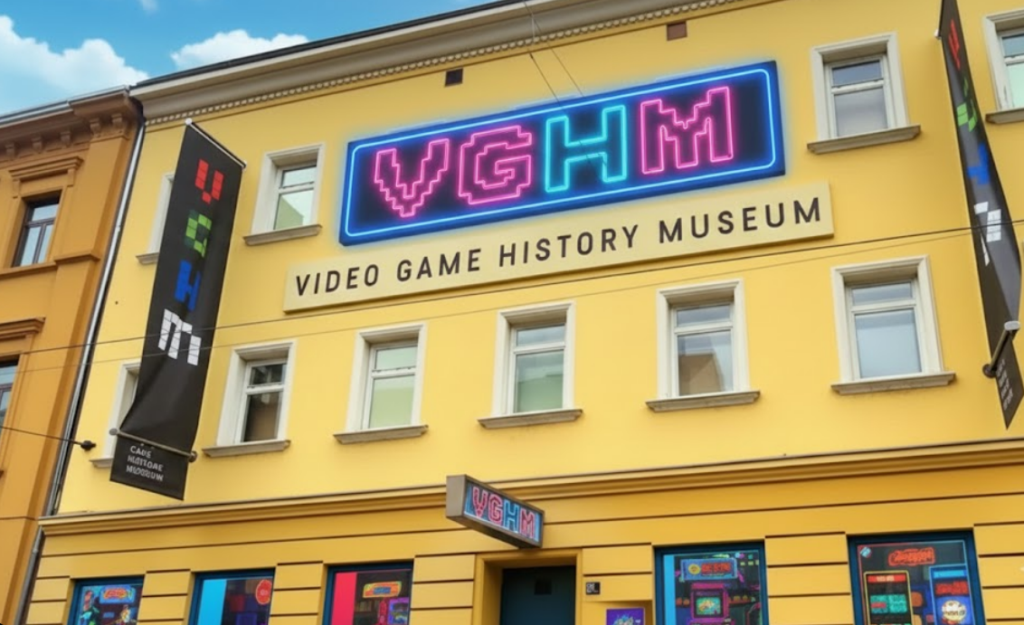
Now, that rich history has a permanent home with the newly opened Video Game History Museum (VGHM) in Zagreb, Croatia.
A Brief History of the Digital Frontier
The origins of gaming date back further than many realize. While the 1952 game OXO (a digital version of Tic-Tac-Toe) served as an early proof of concept, the industry didn’t truly “break out” until decades later.
- 1971–1972: The Birth of the Industry: The early 70s marked the transition from labs to public spaces. 1971 saw the release of Computer Space, the first commercial arcade cabinet, followed quickly by the massive success of Pong.
- 1983–1985: The Crash and the Resurrection: After a massive industry collapse in 1983 due to oversaturation, 1985 became perhaps the most important breakout year in history. The release of the Nintendo Entertainment System (NES) in North America saved the medium, introducing the world to Super Mario Bros. and establishing the home console as a household staple.
- The 1990s: The 3D Revolution: The mid-90s shifted the perspective—literally. With the launch of the Sony PlayStation in 1994, gaming moved from 2D sprites to 3D polygons, ushering in cinematic storytelling and more mature themes.
- The Modern Era: The late 2010s saw the rise of the “Live Service” model. Games like Fortnite transformed from simple software into social hubs, blending gaming with music concerts, fashion, and digital hangouts.
Video games have evolved from niche laboratory experiments into a dominant global cultural force. While the medium has been around for nearly 75 years, its journey from simple blinking lights to the immersive metaverses of today is marked by massive leaps in technology and several “breakout years” that changed entertainment forever.
Now, that rich history has a permanent home with the newly opened Video Game History Museum (VGHM) in Zagreb, Croatia.
A Brief History of the Digital Frontier
The origins of gaming date back further than many realize. While the 1952 game OXO (a digital version of Tic-Tac-Toe) served as an early proof of concept, the industry didn’t truly “break out” until decades later.
- 1971–1972: The Birth of the IndustryThe early 70s marked the transition from labs to public spaces. 1971 saw the release of Computer Space, the first commercial arcade cabinet, followed quickly by the massive success of Pong.
- 1983–1985: The Crash and the ResurrectionAfter a massive industry collapse in 1983 due to oversaturation, 1985 became perhaps the most important breakout year in history. The release of the Nintendo Entertainment System (NES) in North America saved the medium, introducing the world to Super Mario Bros. and establishing the home console as a household staple.
- The 1990s: The 3D RevolutionThe mid-90s shifted the perspective—literally. With the launch of the Sony PlayStation in 1994, gaming moved from 2D sprites to 3D polygons, ushering in cinematic storytelling and more mature themes.
- The Modern Era: ConnectivityThe late 2010s saw the rise of the “Live Service” model. Games like Fortnite transformed from simple software into social hubs, blending gaming with music concerts, fashion, and digital hangouts.
Preserving the Legacy in Zagreb
Recognizing the need to protect this ephemeral digital history, game designer Damir Slogar founded the VGHM in Croatia’s capital. The museum serves as a time machine, bridging the gap between the primitive pixels of the past and the high-fidelity graphics of the present.
The collection is staggering, featuring over 3,000 gaming artifacts and hundreds of playable titles. Highlights of the museum include:
- Rare Hardware: Visitors can see the very first arcade machine from 1971, a rare relic of the industry’s infancy.
- The Golden Age: Iconic systems like the Commodore 64—the best-selling single computer model of all time—are on display and fully functional.
- Playable History: Unlike many museums where items are behind glass, the VGHM allows guests to actually play games that are over 50 years old, proving that good design is timeless.
By showcasing everything from the heaviest CRT monitors to the sleekest modern consoles, the museum highlights how video games have impacted art, social interaction, and global economy.