
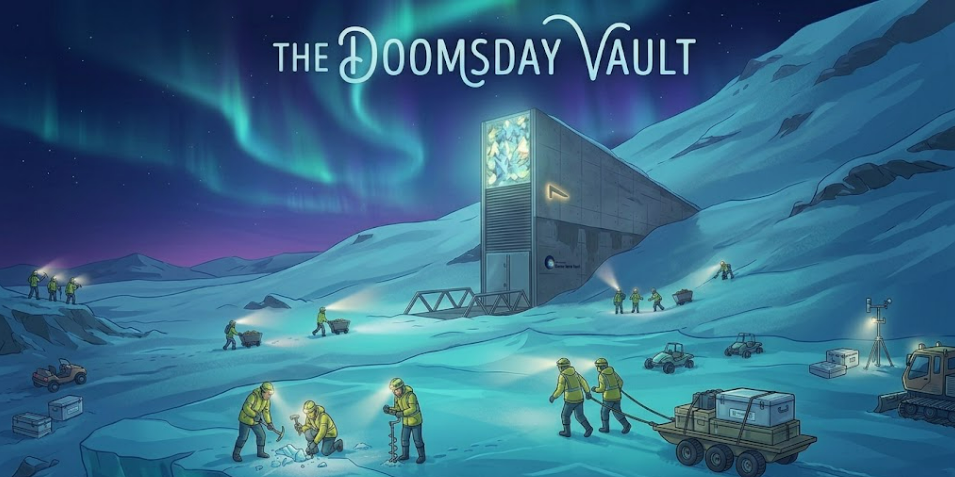

The Frozen Fortress for the World’s Food
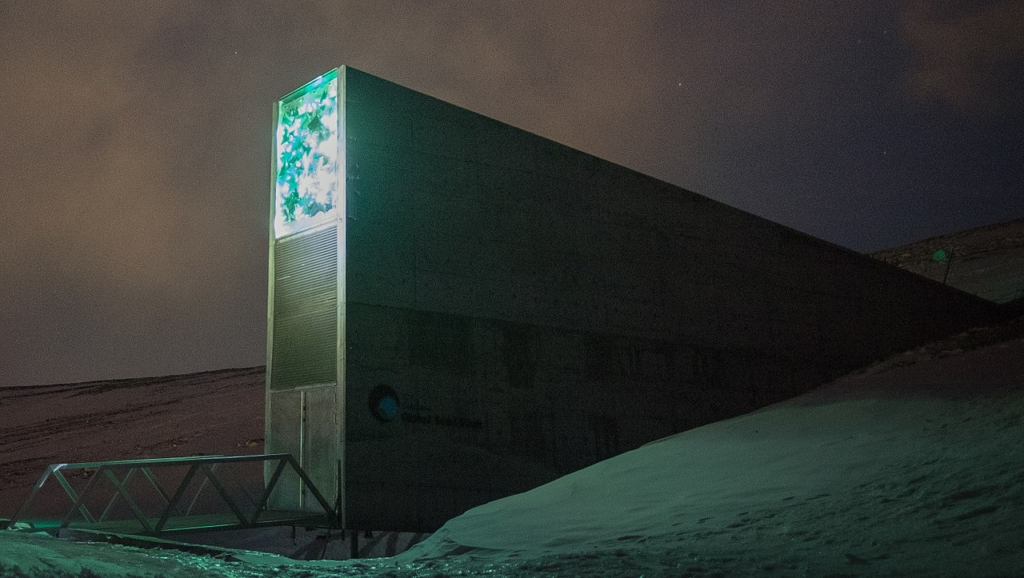
Imagine a massive safety deposit box. Instead of gold or piles of cash, it stores the future of human survival. That is the Svalbard Global Seed Vault. Norway built this high security fortress directly into the side of a frozen mountain on Spitsbergen, a remote Arctic island. The facility protects the genetic diversity of humanity’s crops. It serves as a global backup system to safeguard our food supply from widespread catastrophes like nuclear war. It also defends against everyday threats like plant diseases and climate change. Best of all, any country can send duplicate copies of their important seeds for free. Workers lock them safely away inside the mountain.
Nature’s Ultimate Backup Battery
Workers started building this incredible fortress in June 2006. The vault officially opened its doors on February 26, 2008. The giant facility can hold around 4.5 million different seed samples. Engineers specifically chose this freezing Arctic location for its natural environment. The super-cold conditions keep the seeds in a strictly controlled, icy climate. Plus, permafrost permanently freezes the surrounding mountain rock. If the mechanical cooling systems ever break down or lose power, the mountain’s natural chill steps in. This frozen rock acts as a backup battery to keep the seeds preserved anyway.
A Real-Life Rescue Mission
The vault seems like it would be a backup plan for a future world. However, it has already saved vital crops during a real-world crisis. In September 2015, the Syrian Civil War prompted the first seed withdrawal. The ICARDA (International Center for Agricultural Research in the Dry Areas), fled its headquarters in Aleppo because of heavy fighting. The violence directly threatened their local seed collection. Luckily, the scientists had already stored backup copies safe inside the ice. Researchers successfully retrieved special heat and drought resistant strains of wheat and barley. They used those seeds to build brand new, safe seed banks in Morocco and Lebanon. This move proved that this remote mountain is a living safety net for the modern world.