

When you look at the animals that live the longest on Earth, humans are actually doing pretty good, since lots of mammals don’t make it very long. Even though we’re it the top 15, we still miss the mark by a lot of years. Although those animals have mastered living in slow motion.
Here are the top 15 longest living animals on record, ranked from the shortest maximum lifespan to the longest, including us.
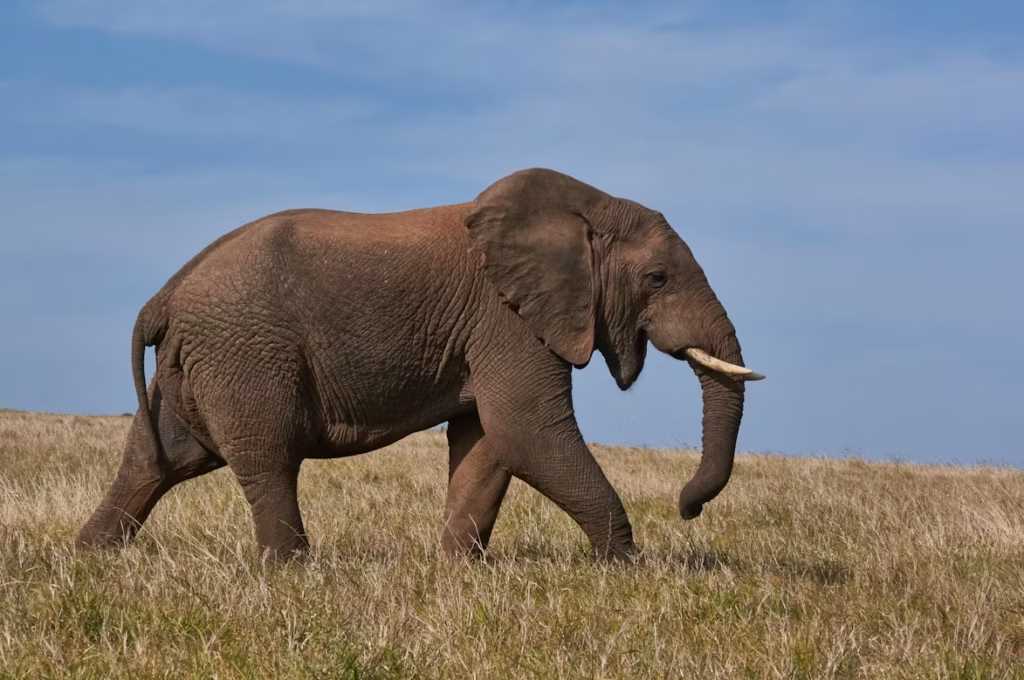
15. Elephant (Asian & African)
Maximum Lifespan: ~86 years
About The Creature: As a general rule in mammals, a massive body size means a slower metabolism and a longer life. Elephants have highly social life, helping them thrive into old age in safe environments.
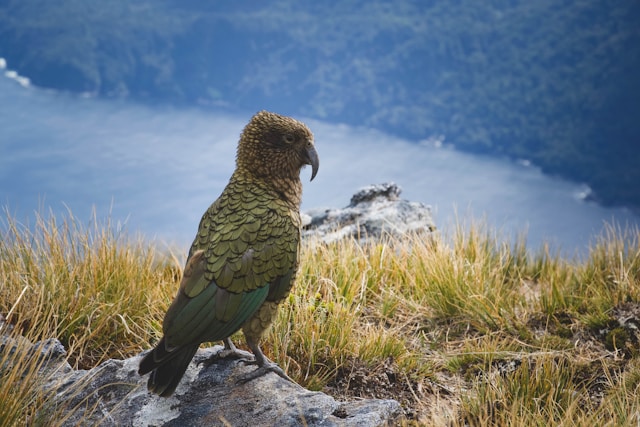
14. Kākāpō
Maximum Lifespan: ~90–100 years
About The Creature: Native to New Zealand, this heavy, flightless, parrot lives life in the slow lane. With an incredibly slow metabolism and historically zero natural mammalian predators on their isolated islands, they easily outlive almost all other bird species.
13. Humans
Maximum Lifespan: 122 years
About The Creature: Thanks to advanced medicine and sanitation, humans are the longest living mammals on Earth. The oldest verified person in history was Jeanne Calment of France, who lived for 122 years and 164 days.
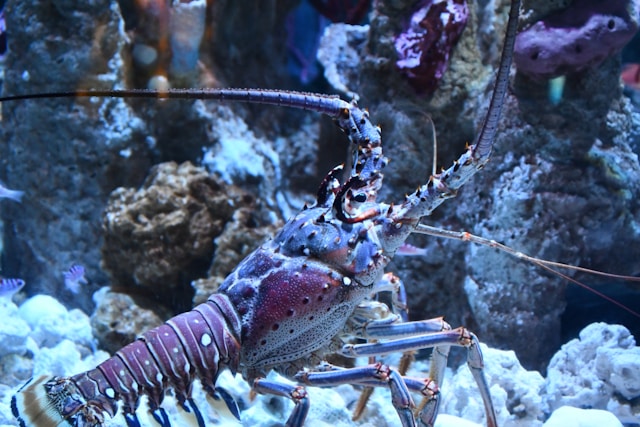
12. American Lobster
Maximum Lifespan: ~140 years
About The Creature: Lobsters don’t age the way we do; they don’t get weaker or lose their fertility as they get older. They generally only die because growing anew shell eventually requires more energy than their bodies can exert.
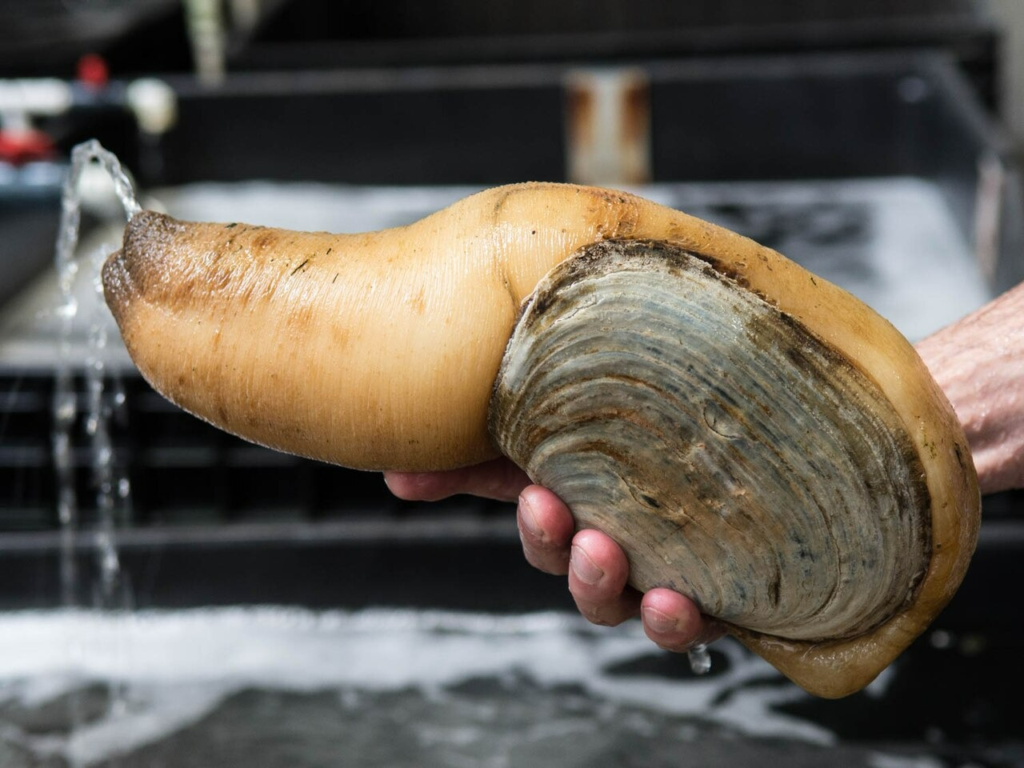
11. Geoduck
Maximum Lifespan: ~160–170 years
About The Creature: Pronounced “gooey-duck,” these large saltwater clams native to the Pacific Northwest bury themselves deep in the coastal sediment and stay there. Because they are safe from most predators and experience very little physical wear-and-tear, they can live for well over a century. Scientists count the rings on their shells to determine their exact age.
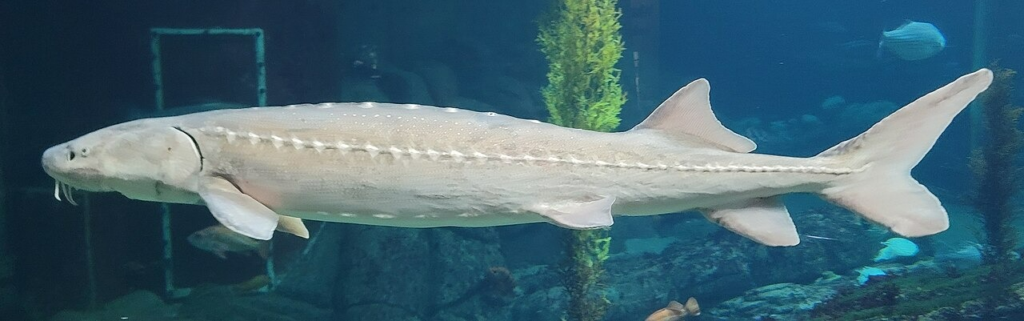
10. Lake Sturgeon
Maximum Lifespan: ~150–170 years
About The Creature: These armor plated, prehistoric freshwater giants have been around since the dinosaurs. While males live around 55 years, the females grow much slower, mature later, and can cruise through North American lakes and rivers for over 150 years.
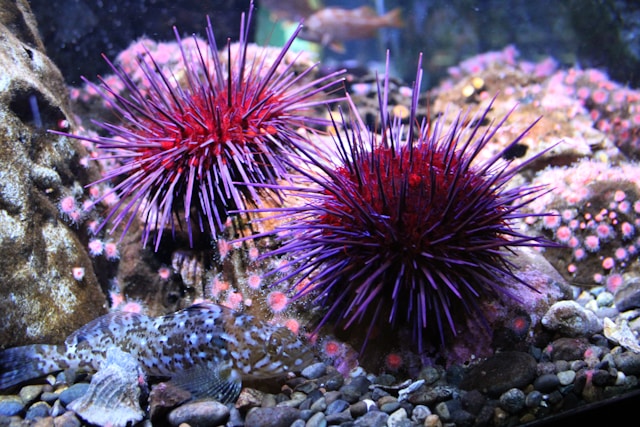
9. Red Sea Urchin
Maximum Lifespan: ~200 years
About The Creature: Found in the shallow, rocky coastal waters of the Pacific, these spiny creatures exhibit virtually no signs of age-related decline. A red sea urchin at 200 years old is just as capable of reproducing and regenerating lost spines as a 10-year-old youth.
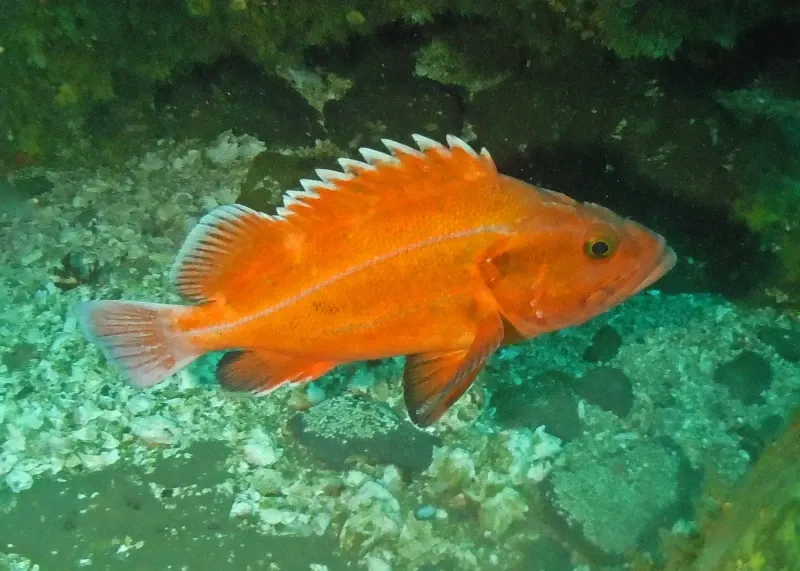
8. Rougheye Rockfish
Maximum Lifespan: ~205 years
About The Creature: Living in the frigid depths of the North Pacific Ocean, this fish possesses specific genetic variants that excel at cellular maintenance and DNA repair, allowing them to easily cross the two-century mark.
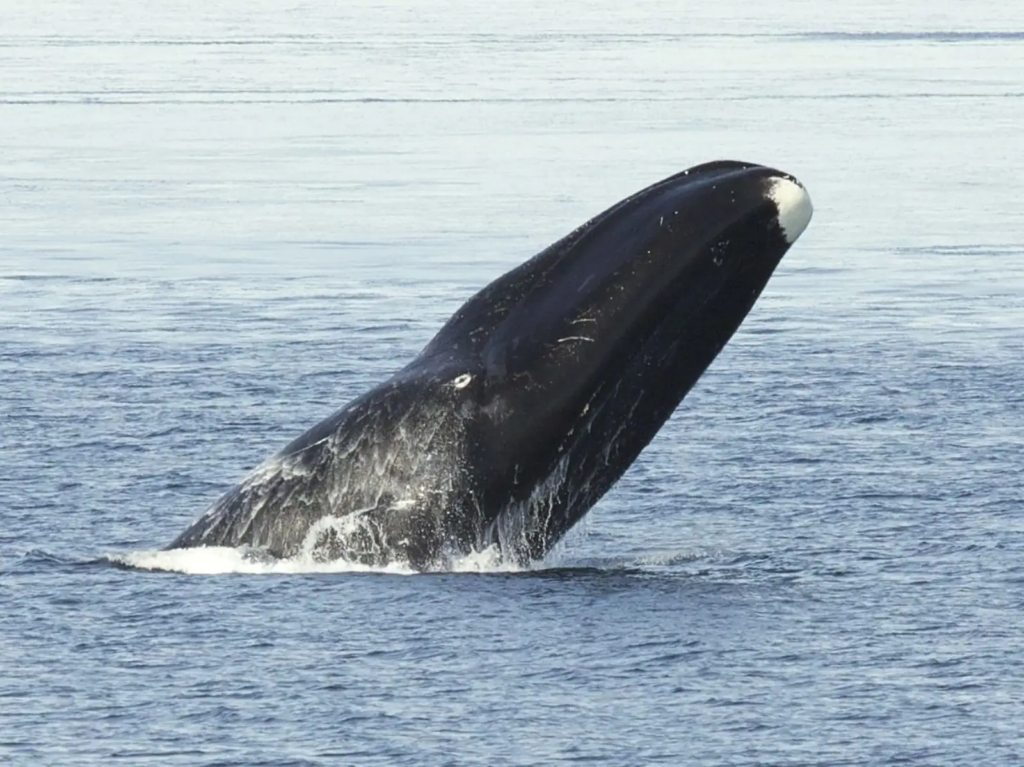
7. Bowhead Whale
Maximum Lifespan: ~211–268 years
About The Creature: The undisputed champions of mammalian longevity. Bowhead whales live exclusively in freezing Arctic waters. Their low body temperature and gene mutations that prevent DNA damage allow them to live for over 200 years. In 2007, a captured bowhead was found with a stone harpoon point manufactured in the late 1800s still embedded in its blubber.
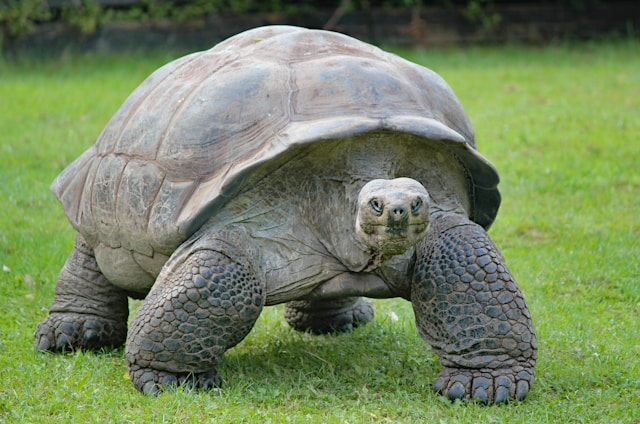
6. Aldabra & Galápagos Giant Tortoise
Maximum Lifespan: ~250+ years
About The Creature: These land-dwelling behemoths have exceptionally slow metabolic rates and can survive for up to a year without food or water. A Seychelles giant tortoise named Jonathan is currently verified as the world’s oldest living land animal at over 190 years old, while an Aldabra tortoise named Adwaita famously reached an estimated 255 years in captivity.
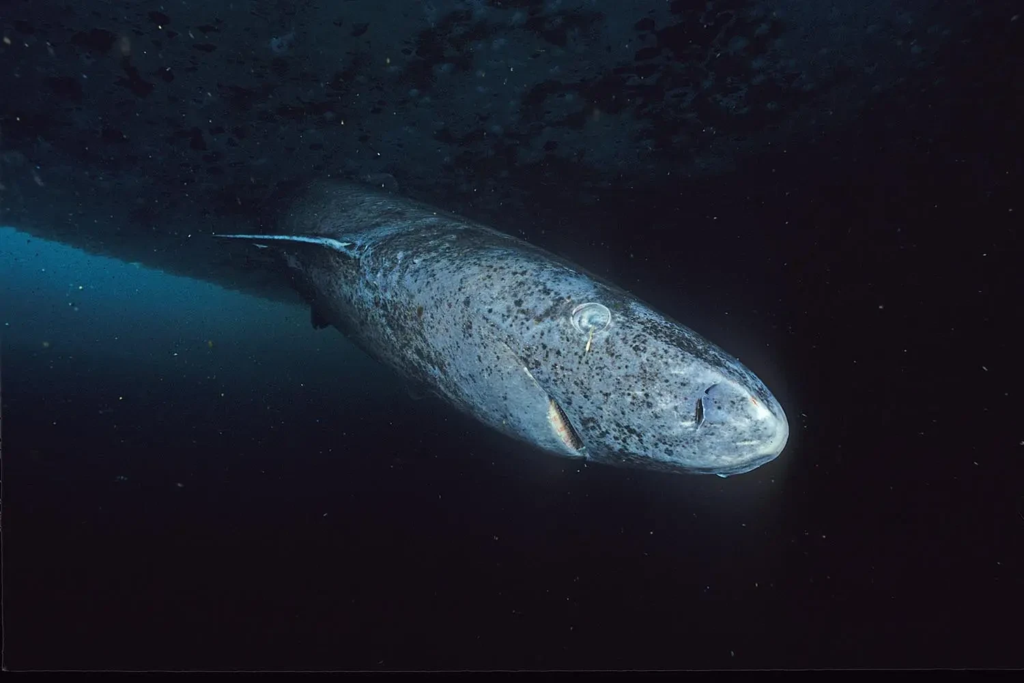
5. Greenland Shark
Maximum Lifespan: ~400–500 years
About The Creature: The longest-lived vertebrate on Earth. Prowling the near-freezing depths of the North Atlantic, these sharks grow at a glacial pace of less than one centimeter per year and don’t even reach maturity until they are about 150 years old. Scientists use radiocarbon dating on the unique proteins inside the core of the shark’s eyes to determine their age.
4. Ocean Quahog
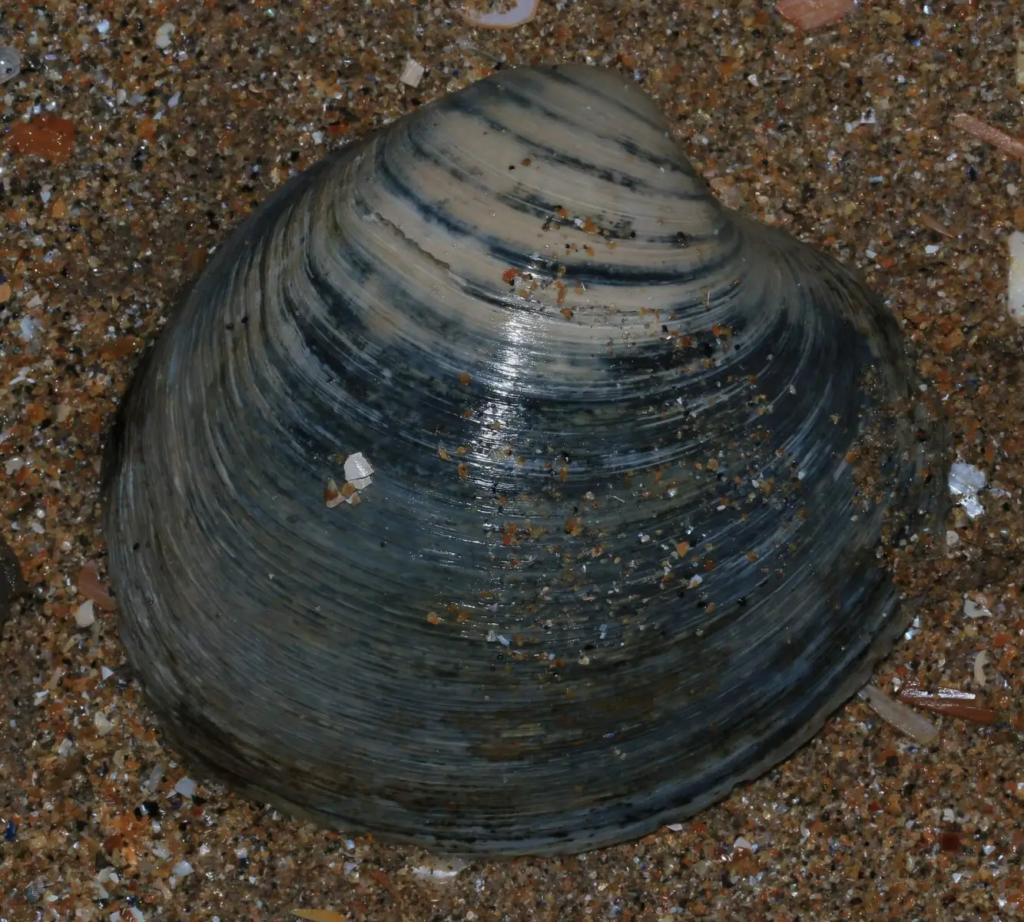
Maximum Lifespan: ~507 years
About The Creature: This unassuming marine clam lives on the floor of the North Atlantic. In 2006, researchers collected an ocean quahog nicknamed “Ming the Clam.” By counting the growth rings on its shell, scientists discovered Ming was born in 1499—meaning it was already alive when Christopher Columbus was sailing across the Atlantic.
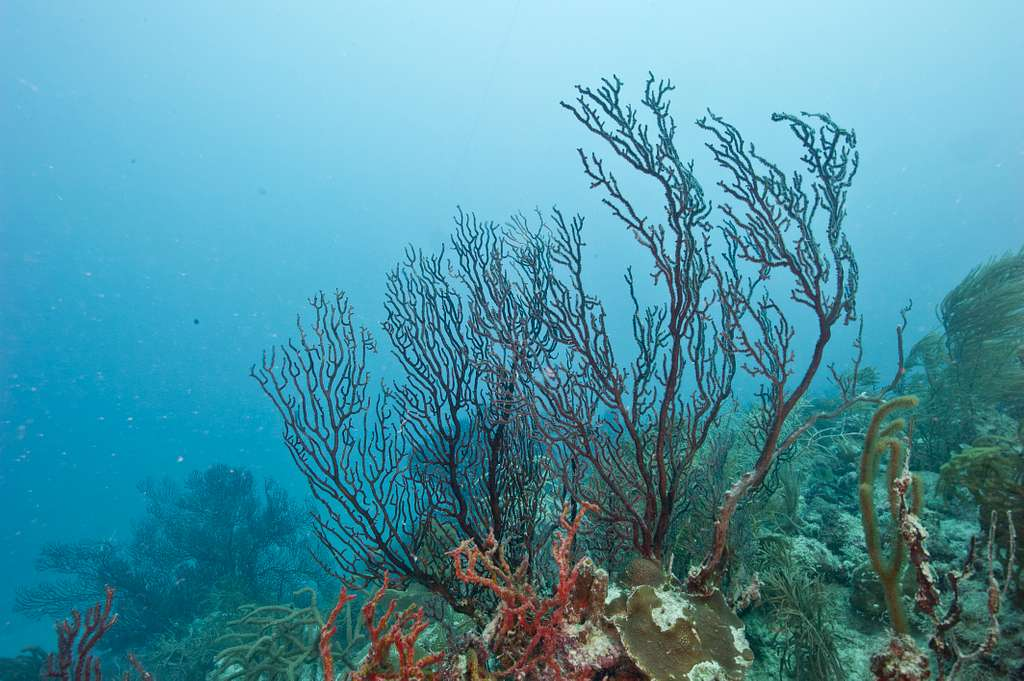
3. Black Coral
Maximum Lifespan: ~4,200+ years
About The Creature: While they look like underwater plants, corals are actually colonies of tiny animals called polyps. Deep-sea black corals found off the coast of Hawaii grow agonizingly slowly, taking millennia to build their massive, rock-like structures in the stable, cold environment of the deep ocean.
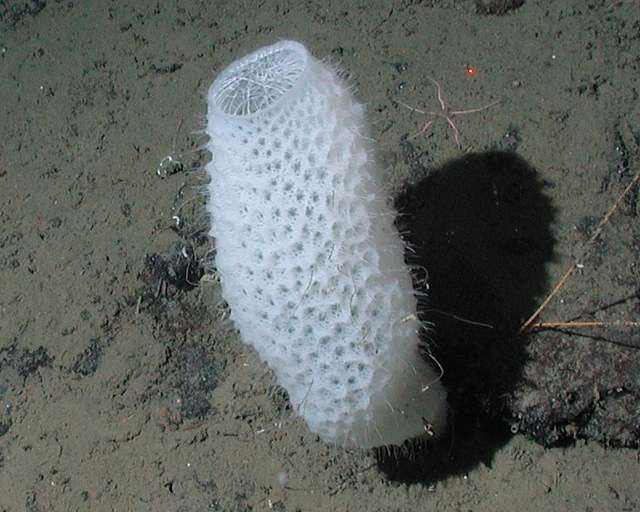
2. Glass Sponge
Maximum Lifespan: ~10,000–15,000 years
About The Creature: Glass sponges hold the ultimate crown for animal longevity. Found in the frigid, dark depths of the Antarctic and Southern oceans, their skeletons are made entirely of silica (glass). Because their environment is completely unchanging and their metabolism is practically at a standstill, these simple organisms can continuously filter water for well over ten millennia
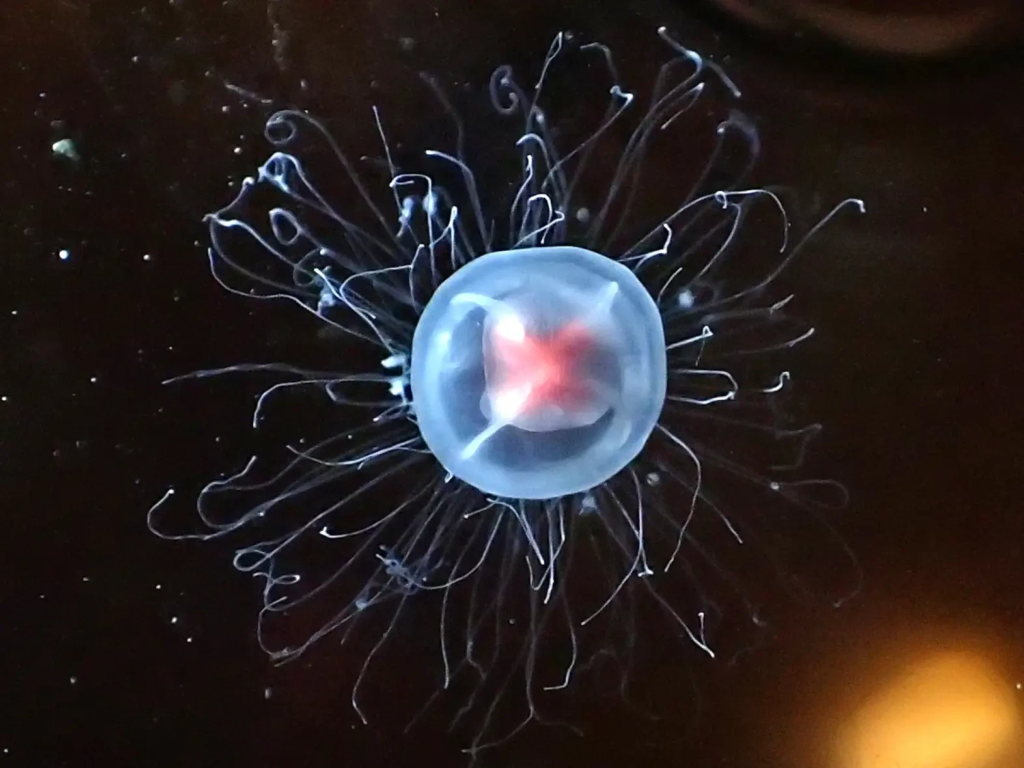
1. Immortal Jellyfish
Maximum Lifespan: Potentially infinite
About The Creature: A tiny Mediterranean jellyfish that can revert its cells back to an earlier stage, avoiding death from aging. Still vulnerable to predators, disease, and environmental change